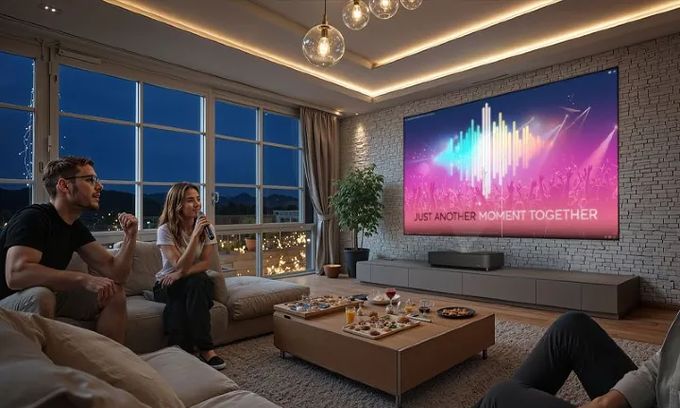
Японская многонациональная электронная компания Seiko Epson Corporation, штаб-квартира которой находится в Суве, префектура Нагано (Suwa, Nagano), вряд ли нуждается в представлении. Она имеет дочерние компании практически по всему миру. Компания производит сканеры, ноутбуки, видеопроекторы, часы, POS-системы, роботы и оборудование для промышленной автоматизации, а также все виды принтеров.
Первым продуктом японского гиганта стал кварцевый механизм для наручных часов 1969 года. С 1980-х годов компания стала одним из мировых лидеров в сегменте проекторов. С 2012 года модели Epson 3LCD по праву считаются одними из лучших на рынке.
Более того, в 2010 году компания представила свой первый проектор со сверхкоротким фокусным расстоянием (UST). В отличие от традиционных среднефокусных моделей, они формируют изображение с помощью асферических зеркал, обеспечивая огромную проекцию размером от 100 дюймов и более с дистанции лишь в несколько дюймов.
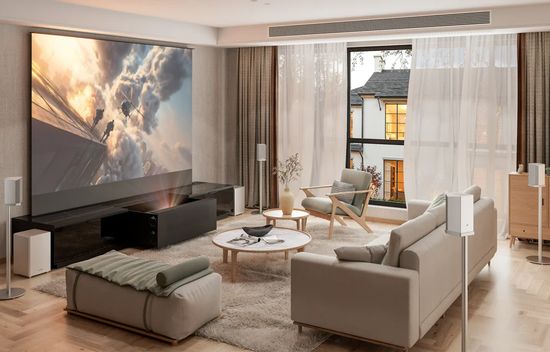
Размещение проектора практически вплотную к экрану на стене устранила проблему прокладки кабеля питания по полу, которая возникает при использовании любой среднефокусной модели. Конечно, она может быть решена с помощью, например, потолочного крепления, но оно радикально ограничивает мобильность проектора. Этот аспект привел к невероятной популярности UST-проекторов, которые многие стали рассматривать как доступную альтернативу огромным телевизорам в гостиной.
В 2025 году компания выпустила новую линейку 3LCD-проекторов под названием Epson Life Studio. В серию вошли портативные Flex and Pop LED, а также 3LCD Grand UST model. В них используются встроенные Google TV и аудио система Bose. Сегодня Lifestudio Grand стоит около $ 2,700.
Впрочем японский гигант на этом не остановился и в этом году представил более яркую модель Epson Lifestudio Grand Plus. Таким образом, в серию новых 3-чиповых 3LCD ультракороткофокусных проекторов Lifestudio входят модели Grand EH-LS670B/W (сентябрь 2025, $ 2,700, 3600 ISO люменов ) и Grand Plus EH-LS970 (март 2026, рекомендованная розничная цена $ 3,800, 4000 ISO люмен). Фактически, эта модель заменила снятый с производства Epson LS800.
Основные характеристики
Основные различия между моделями заключаются в яркости, цене, размере и весе. Новый Grand Plus ярче (4000 ISO люмен vs 3600 ISO люмен), дороже ($ 3,800 vs $ 2,700) и значительно больше (12.5kg@16x70x34cm vs 7.5kg@16x47x40 cm).
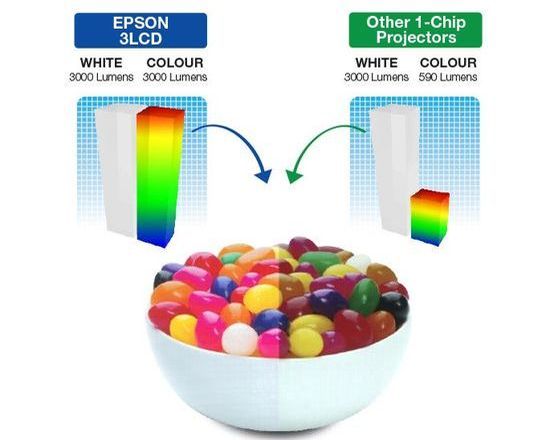
Как известно, окружающий свет делает изображения тусклее и более блеклым. Яркость проектора компенсирует этот негативный фактор, снижая требования к затемнению помещения. Впрочем, даже 3600 ISO люмен является великолепным результатом для UST моделей. Кроме того, фактическая яркость 3LCD моделей значительно превосходит яркость DLP-проекторов с аналогичными характеристиками. Это обусловлено отсутствием цветового колеса, которое DLP модели используют в качестве фильтра, пропуская только один цвет в каждом цикле.
Соответственно, отсутствие потерь при прохождении цветовых потоков обеспечивает одинаковую цветовую яркость и яркость белого, что приводит к более насыщенным цветам на изображении.
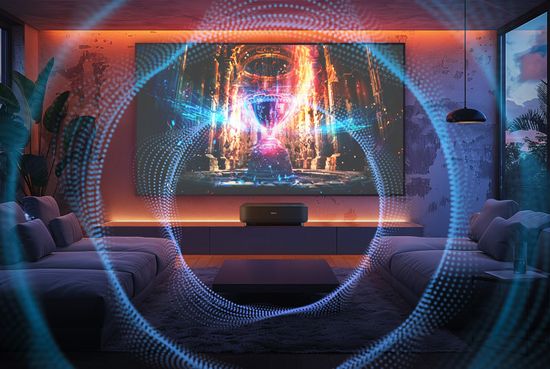
В остальном модели практически идентичны. Оба проектора оснащены встроенным Google TV и используют звуковые технологии Bose, в том числе:
— Direct/Reflective (отражение звука от стен);
— CustomTune (адаптация звука к форме уха);
— Acoustimass (компактные сабвуферы);
— Шумоподавление QuietComfort;
— Waveguide (волноводы для насыщенных басов);
— Многонаправленные динамики Smart Speaker 500.
Встроенная 2.1-канальная звуковая система Bose обеспечивает суммарную мощность 20 Вт благодаря двум 45-мм широкополосным динамикам и 80-мм фазоинверторному корпусу.
Нативное контрастное соотношение FOFO у Grand Plus составляло приблизительно 1800:1. Контрастность проектора Lifestudio Grand в режиме ‘Естественный’ с отключенной динамической контрастностью лишь 1400:1 . Впрочем, включение динамической контрастности на высокой скорости значительно повышает производительность проектора, что типично для проекторв Epson.
Оба проектора используют световой модуль ALPD (Advanced Laser Phosphor Display) 3.0 (Laser Phosphor) со 100% охватом для стандарта Rec.709 и ~ 80% для DCI-P3.
Epson 4K-Enhancement vs XPR
Обе модели используют технологию 4K PRO-UHD (пластины с двухосевым смещением), что повышает разрешение проецируемого изображения. Как и технология XPR (eXpanded Pixel Resolution) от Texas Instruments в DLP-проекторах, она использует сдвиг пикселей. В этом случае, 2 млн микрозеркал чипсета 1080p с поддержкой XPR отображают 8 млн пикселей входящего 4K изображения с полным разрешением 4K UHD (3,840 x 2,160). Фактически, алгоритм делит 8 млн пикселей на четыре части и последовательно отображает четыре 1080p изображения, сдвигая их по диагонали на полпикселя относительно друг друга. Конечно, в любой момент времени проектор отображает лишь одно 1080p изображение. Но из-за высокой частоты наше зрение и мозг воспринимают их как одну картинеу в более высоком разрешении. Сдвиг достигается путем наклона объектива с помощью четырех электромагнитов в модуле XPR. Несмотря на собственное разрешение чипсета 1080p, производители DLP-проекторов с поддержкой XPR изначально позиционируют их как 4K модели.
Компания Epson более щепетильно относится к этому аспекту и во избежание критики в некорректных спецификациях, указывает реальное собственное разрешение проекторов со сдвигом пикселей как 1080p. Технология Epson Pixel Shifting 4K-Enhancement дублирует одно изображение 1080p, сдвигая его на полпикселя. Затем алгоритм объединяет два изображения, создавая иллюзию более высокого разрешения.
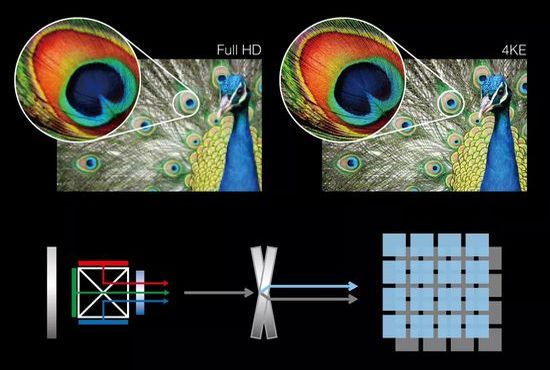
Эта функция аналогична масштабированию в телевизорах и предназначена только для использования с контентом Full HD. В отличие от этого, XPR предназначена для воспроизведения собственного контента 4K. Технология двустороннего сдвига пикселей от Epson обеспечивает лучшую точность цветопередачи и более высокую яркость, а XRP — максимально возможную резкость и самое быстрое время отклика. Конечно, полезность каждой из них напрямую зависит от разрешения контента. 4K PRO-UHD не улучшает контент 4K, а XRP бесполезен при воспроизведении Full HD.
Настройки
Модели используют четыре цветовых режима, включая Динамический, Стандартный, Кино и Natural. Измеренная яркость (Grand Plus vs Grand, режим SDR/HDR, ANSI люмены):
— Динамический ~ 4450 против 3770;
— Стандартный ~ 4050 против 3550;
— Кино ~ 3785 против 3440;
— Natural ~ 3695 против 3320.
Элементы контроля включают все основные параметры:
— Яркость;
— Контраст;
— Насыщенность;
— Оттенок;
— Резкость.
Расширенные параметры:
— Регулировка усиления и смещения;
— Система управления цветом (CMS);
— Выбор гаммы (Темный, Нормальный и Яркий со значениями 2,3, 2,1 и 1,9);
— Предпочтения проекции (Высокая или Яркая настройка);
— Динамическая контрастность (Нормальный или Высокоскоростной режимы);
— Дополнительные параметры изображения включают локальное управление контрастностью, динамический усилитель цвета, AISR на основе ИИ и улучшение изображения AIPQ.
AISR (AI-based Super Resolution) повышает резкость изображения и наиболее эффективен при низких или средних настройках. AIPQ (AI Picture Quality) выполняет настройку изображения для каждой сцены отдельно. Низкие и средние настройки обеспечивают наилучшие результаты без чрезмерной обработки изображения.
Проектор Lifestudio Grand Plus имеет отличные предустановки и готов к работе в любом режиме сразу после распаковки. Справедливости ради, режимы имеют небольшой уклон в сторону зеленых или синих тонов, но они незначительны и не мешают просмотру. Режимы Natural и Кино обеспечивают наиболее точное изображение, а Стандартный и Динамический — традиционно ярче и ‘холоднее’.
К сожалению, проекторы не поддерживают HDR10+ или Dolby Vision, но динамическое отображение тонов обеспечивает достаточно высокое качество для HDR.
В отличие от прошлогодней модели Lifestudio Grand, новый проектор поставляется с новейшей опцией Gemini, которая заменяет традиционный голосовой поиск разговорным ИИ, предлагая рекомендации по контенту и управление умным домом.
Gemini option.jpg
Она также обрабатывает более сложные задачи, включая поиск конкретных фильмов или использование естественного языка для настройки параметров изображения/звука.
Заключение
Плюсы (Lifestudio Grand и Lifestudio Grand Plus):
— Превосходная яркость с одинаковой яркостью белого и цветов из-за отсутствия цветового колеса;
— Поддержка HDMI 2.1 и eARC;
— GoogleTV;
— Аудио система Bose;
— Приложение Projection Studio для интерактивных встреч (совместное использование слайд-шоу, фильмов и других медиафайлов между проекторами Lifestudio).
Минусы
— Ограниченный цветовой охват;
— Отсутствие поддержки 3D и порта RJ45.
Lifestudio Grand Plus vs Lifestudio Grand
— Epson Lifestudio Grand на $ 1,000 дешевле;
— Grand Plus ярче (4,000 vs 3,500 ISO Lumens), контрастнее (1,800:1 vs 1,400:1 FOFO контраст) и поставляется с новейшим голосовым поиском Gemini AI;
— Grand Plus тяжелее и больше — 12.5kg@16x70x34cm vs 7.5kg@16x47x40 cm.
Новый проектор имеет стартовую цену $ 3,800, предлагает превосходную яркость белого и цветов до 4000 ISO люменов, Google TV с новейшей функцией Gemini AI, аудио систему Bose и приложение Projection Studio. Для сравнения, новый флагманский лазерный 4K-проектор Hisense PX4-Pro (UST) ожидается к продаже по цене около $ 4,500 (€ 3,500–€ 4,300). Cправедливости ради, у него более высокая контрастность (6000:1 с новой системой линз IRIS) и он охватывает до 110% цветового пространства в BT.2020 стандарте за счет трехлазерного источника света. Но Epson значительно ярче (4000 люмен яркости для белого/цветов vs 3500 люмен только для белого).
Конечно, дополнительные $ 1,000 по сравнению с прошлогодним Lifestudio Grand кажутся слишком высокой доплатой за примерно на 15% увеличенную яркость и функцию Gemini AI. Впрочем традиционная корректировка стартовой цены может значительно изменить эти соотношения.
В этом видео представлен проектор Epson Lifestudio Grand Plus.